
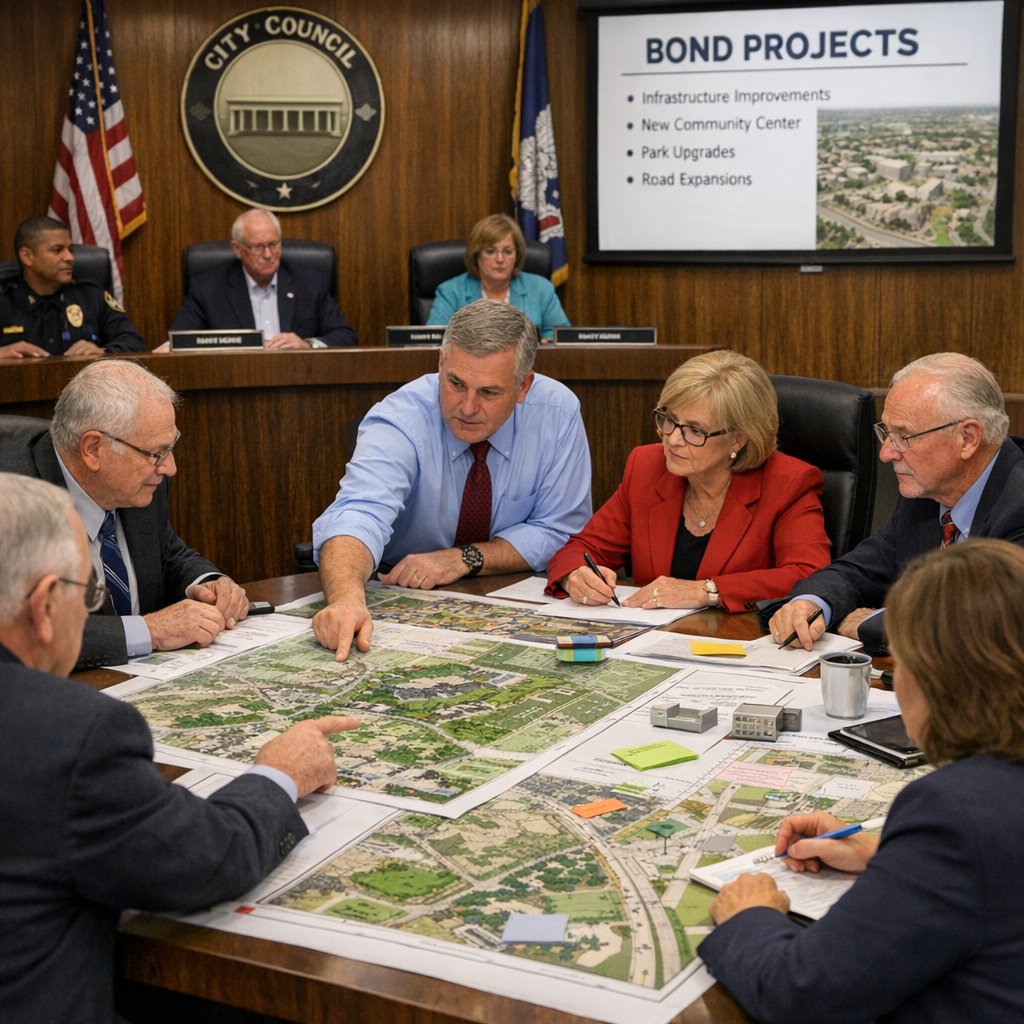
Voters in Grand Prairie approved a major general obligation bond in May, authorizing $327 million in investments across three main areas: streets, public safety, and parks and recreation. This bond program is now the backbone of several citywide projects that promise visible changes in infrastructure, community amenities, and public services. I’m Olivia Williams, breaking down what residents should know, where things stand, and what to keep an eye on.
What’s in the Bond: Propositions and Priorities
The bond program is built on three propositions, each carrying a distinct set of goals:
- Proposition A: Street improvements — around $209.5 million dedicated to resurfacing roads, fixing potholes, enhancing sidewalks, and tackling traffic flow issues.
- Proposition B: Public safety infrastructure — about $78.5 million earmarked for facilities, emergency response equipment, and modernization of safety services.
- Proposition C: Parks and recreational projects — $39 million to build or upgrade local parks, fund multipurpose centers, and improve green space amenities.
Where Things Are Now
Since the bond approval, several ad hoc committees have been formed to oversee parts of the program. For example, there’s a committee focused on park facilities and public artwork and another on developing a pickleball complex. Meetings for these groups happen regularly in community-friendly locations so that folks can attend and stay informed.
Street Fixes & Traffic Upgrades
Street repairs are among the most visible outcomes so far. The city is investing heavily in resurfacing and maintenance, especially focusing on streets that are in worse condition. Also, there are new traffic signal installations and full-depth road reconstructions in key areas like North Great Southwest Parkway.
Parks, Recreation & Community Spaces
Residents will see enhancements to parks and recreational facilities, including plans for a multiuse community center. Public art and green space upgrades are also part of Proposition C, with ad hoc groups diving into design and location details.
What to Watch—and Ask
As these projects move forward, transparency and timing matter. Here are concerns you might want to track or raise during council meetings:
- Project timelines: When will specific street repairs begin? Which neighborhoods are prioritized? How long will parks take to upgrade?
- Budget reporting: Regular updates on funding spent vs. planned, especially for big-ticket items. The city has committed to publicly report bonds issued and project status.
- Equity in improvements: Ensuring that neighborhoods across Grand Prairie—not just high-visibility areas—benefit reasonably from bond-funded improvements.
- Public input: Many stages offer forums for community feedback. Residents who attend or share feedback via city channels can influence design and location decisions.
Impact for Grand Prairie Residents
What will you likely notice? Quieter drivers on smoother roads. Safer intersections. Better-equipped firefighting or law enforcement facilities. More opportunities to gather and play in parks. These aren’t just big-ticket line items—they’re daily improvements. As budget allocations flow, job opportunities in construction and related fields may also rise, especially in local districts. For homeowners, upgraded infrastructure can enhance property values and livability.
Final Thoughts
The 2026 bond program isn’t just a plan—it’s what Grand Prairie voters said they want: better roads, safer communities, and enriched public spaces. There’s still a lot to be decided and built. Staying involved—by attending bond committee meetings, reviewing city reports—will help ensure this investment benefits the entire city in a timely, transparent way. I’ll be following these projects closely to keep you posted on progress, delays, and changes.